I build training for real people doing real work.
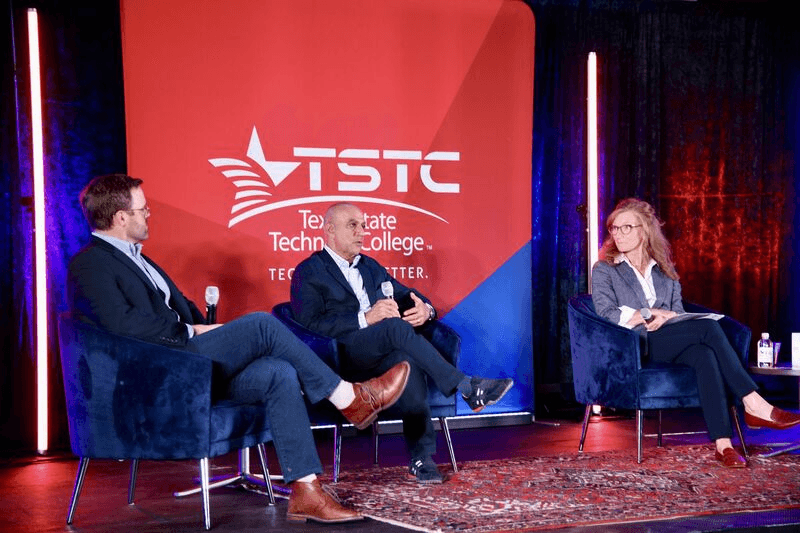
I’m Chris Smith, a training and operations professional based in Dallas, Texas. I build the training and the tools that keep complex operations running, and I help the people inside them learn faster, lead better, and use AI with judgment.
My path into this work is unusual, and that is the point. I have built training in two of the most demanding environments there are, and learned what actually holds up under pressure.
It started at Hillstone Restaurant Group, where I spent a decade leading training operations for one of the most deliberately scaled, training-disciplined hospitality companies in the country.
That is where I learned what most training professionals never get to: how to build training that survives real conditions, not just ideal ones.
From there I took that discipline onto the manufacturing floor. As Senior Training Specialist at Mary Kay, I own operations training for a 250-person, FDA-regulated plant across six departments and three shifts. I have architected 55+ role-based onboarding and certified-trainer paths, run two dozen annual safety and compliance sessions (OSHA, LOTO, GMP, ISO 22716) at 96% on-time completion, and administer the audit-ready systems that keep the floor inspection-ready.
That floor is where my AI work was born. Facing the real gaps, scattered spreadsheets, knowledge locked in a few people’s heads, and trainers stretched thin, I designed and shipped tools to close them: a Training Command Center, a maintenance skills-gap analysis, an SME knowledge-capture workflow, and more.
Across hospitality and manufacturing, the discipline is the same: structure plus humanity, clear expectations plus room to grow, documentation plus conversation.
What connects all of it is this:
I believe learning should feel useful and be built to last.
People should leave a workshop clearer than when they walked in. They should practice, talk through real situations, and walk away with something they can use the next day. But the training systems that surround that workshop also matter. They need to be documented well enough that anyone can teach them. They need structure. They need accountability. They need to prepare people for the real conditions they will face.
Less lecture. More practice. Better results.
Six things I think good training should always do.
Good training should be clear.
Good facilitation should make people feel safe enough to participate and challenged enough to grow.
Good onboarding should reduce confusion, not organize it into a prettier binder.
Good AI training should help people think better, not just type prompts faster.
Good workshops should include practice, not just information.
Good learning should always connect back to the work.
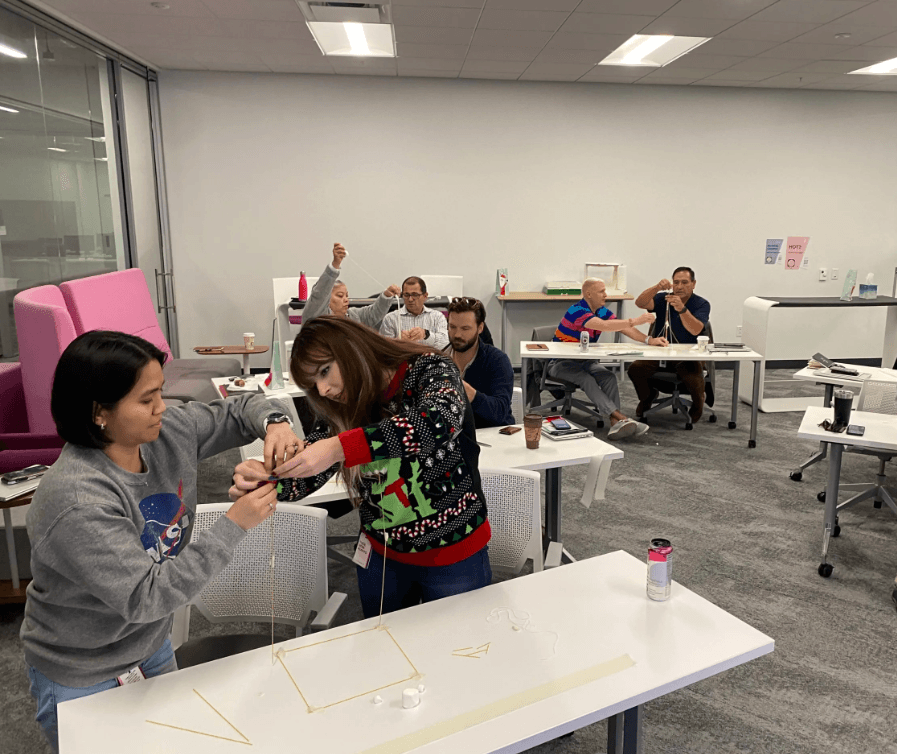
Practical, conversational, and active.
My facilitation style is practical, conversational, and active. I like workshops where people talk, laugh a little, wrestle with real scenarios, and leave with something useful.
I bring structure, but I do not over script the room. I keep things moving, but I leave space for discussion. I use plain language, real examples, and activities that help people connect the content to their daily work.
Want to work together?
Whether you have a specific project in mind or a general idea, I'd be glad to talk through what could be useful for your team.
Less lecture. More practice. Better results.